Genesis.mp3
Cyrus the Great: A Persian King
 | IntroductionCyrus the Great, from 559 BC to 530 BC, conquered tribes, established an empire, and ruled that empire in the region of the ancient world known as Persia. At the height of his power, his empire ranged over 2,000 miles (see the section of this site titled maps). Cyrus the Great, also known as Cyrus II, historically is recognized as a master warrior and strategist. Additionally, he developed a centralized government that brought order and produced a government that served the peoples of the empire. He is also recognized for his unique directives of law toward the conquered. Instead of enslaving them, which was common at the time, he ordered their protection and dictated that there would be no slavery. He also issued edicts that allowed the conquered to worship their religions. During his conquest of Babylon, he freed the Jews from their Babylonian captors and allowed them to return to Jerusalem. Cyrus II was known for his focus on architecture as well. Instead of the common use of mud bricks, he had structures built of stone and created some of the first large park-type gardens. The common account of his death says that he was killed during a battle with the Massagetae which were located in the areas of modern day Kazakhstan and Uzbekistan. Other accounts suggest that he died in battle with other tribes and there is even an account of him dying in his sleep. McDougal Littel, World History: Patterns of Interaction, 2006, p. 99-100. http://www.memrise.com/item/2132080/cyrus-the-great-imghttpuploadwikimediaorgwikipedia/ http://archaeology.about.com/od/pethroughpg/g/persian_empire.htm http://ancienthistory.about.com/od/persianempire/g/082610-Cyrus-The-Great.htm http://en.wikipedia.org/wiki/Cyrus_the_Great#Family_tree |
Images
(Starting from the top of the page and then moving left to right at the bottom of the page.)Top: Tomb of Cyrus the Great at Pasargadae (Gascoinge, http://www.allposters.com/-sp/Tomb-of-Cyrus-the-Great-Passargadae-Pasargadae-Iran-Middle-East-Posters_i3053721_.htm)
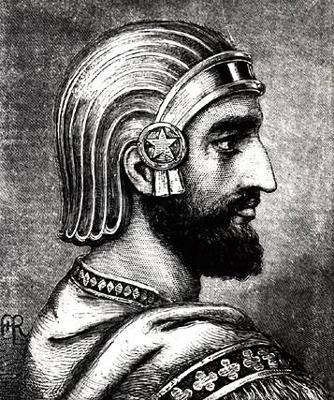
Cyrus the Great (http://karenswhimsy.com/cyrus-the-great.shtm)
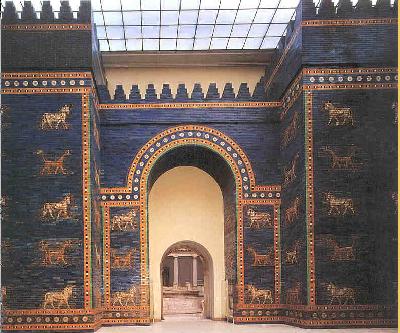
The Ishtar Gate (http://www.kavehfarrokh.com/iranica/cyrus-the-great-and-human-rights/professor-charles-roux-and-cyrus-the-great/)
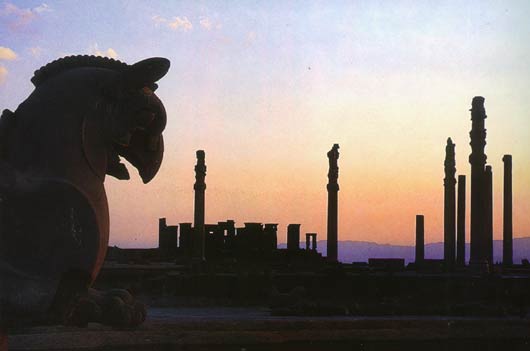
The ruins at Persepolis (http://www.dejkam.com/iran/fars/photo.php?ino=26)
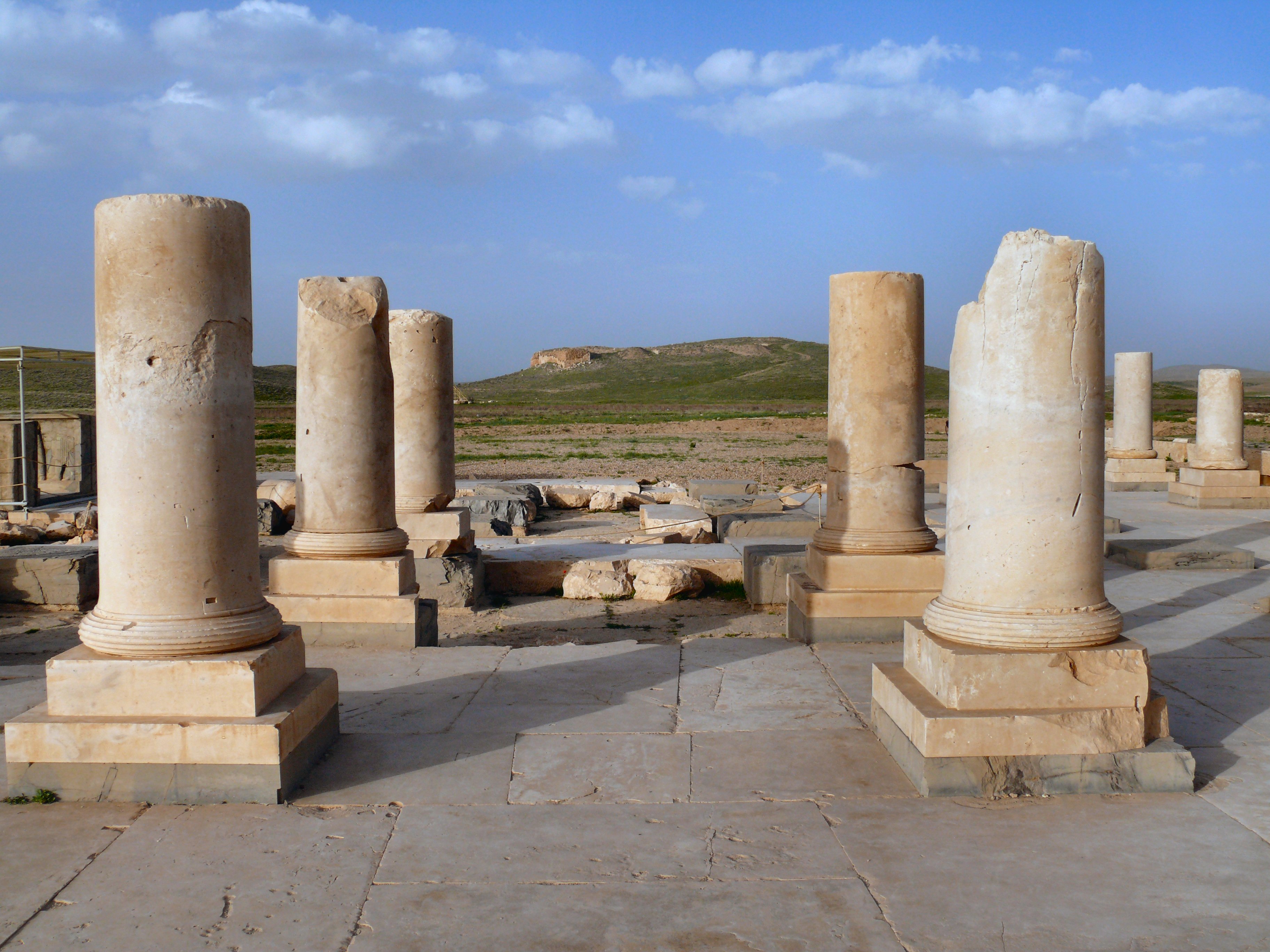
The ruins of Cyrus the Great's palace in modern day Iran (http://www.spotlightofpeace.com/personalities/cyrus-the-great-the-persian-hero-and-an-influential-military-leader-whose-success-is-attributed-to-his-political-acumen-moderation-and-tolerant-policies/)
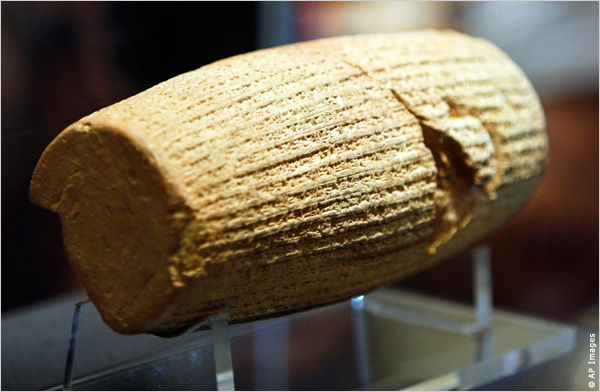
This cylinder celebrated Cyrus the Great's capture of Babylon. It stipulates that the conquered are allowed freedom of religion and outlawed slavery. (http://iipdigital.usembassy.gov/st/english/inbrief/2011/10/20111028150208ffej0.9104883.html#axzz25zOILv2O)
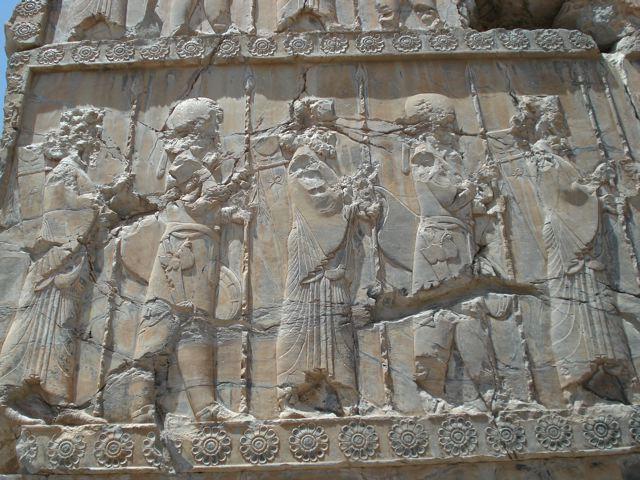
Sculpture at Persepolis of the Medes and Persians, whom Cyrus the Great brought together under his rule to form Persia. (http://www.tcdailyplanet.net/image/2007/07/17/iran.html-4)
This website was created by Paul M. for Honors World History.
|